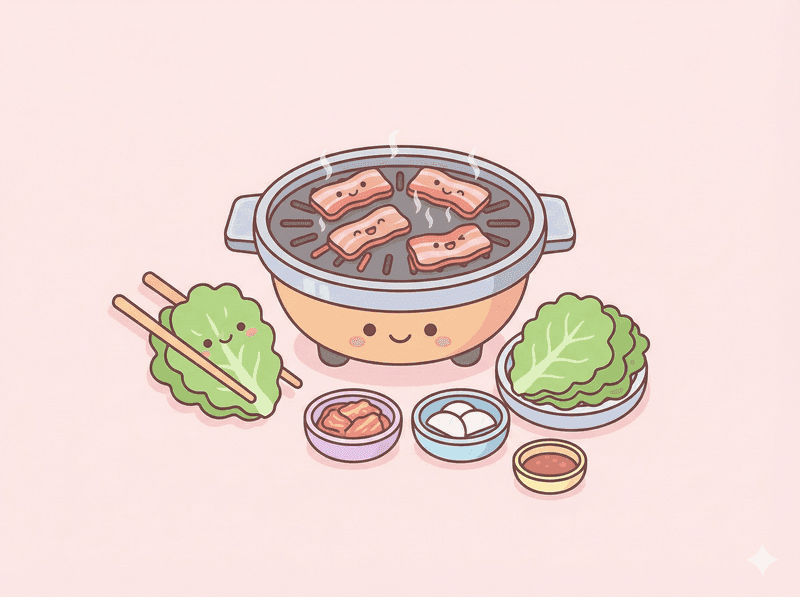
The Era of Solo Dining: A Changed Food Culture
Solo dining has become an everyday reality. According to statistics, about 70% of adults eat alone at least once a week, and with the increase in single-person households, solo dining culture continues to expand. While eating alone used to feel awkward and embarrassing, it has now become completely natural.
However, our food choices differ significantly when eating alone versus with others. In this article, we'll explore which menus are suitable for different situations and the psychological background behind these choices.
Things to Consider When Dining Solo
When eating alone, the following factors influence menu selection.
1. Portion Control
One of the biggest concerns when eating alone is portion size. It can feel awkward ordering just one serving of grilled meat, or ordering two servings only to leave leftovers. This naturally leads solo diners to prefer single-serving menus or dishes where portion sizes are easily controlled.
2. Self-Consciousness
Even though solo dining has become normalized, there are still some dishes that feel awkward to eat alone. Prime examples include grilled meat, hot pot, and raw fish platters. These foods are structurally designed to be shared, so eating them alone can feel uncomfortable.
3. Eating Duration
Solo meals tend to end quickly. Without conversation partners, meal times naturally shorten. Therefore, rather than dishes requiring complex preparation or slow enjoyment, simple and quick options become the natural choice.
Best Menus for Solo Dining
Considering these factors, certain menus are ideal for solo dining.
- Soup dishes: Beef bone soup, blood sausage soup, short rib soup, etc. Everything comes in one bowl with appropriate portions.
- Rice bowls: Stir-fried pork on rice, oyakodon, beef bowl, etc. Easy to eat alone without feeling awkward.
- Noodles: Ramen, jajangmyeon, udon, pasta, etc. Single portions are clear and quick to eat.
- Kimbap and snacks: Flexible portions and light options for casual meals.
- Solo dining restaurants: Many places now offer single-serving grilled meat, hot pot, and other solo-friendly menus.
The Dynamics of Group Dining
Conversely, when dining with multiple people, completely different factors come into play.
1. Accommodating Different Tastes
The most challenging aspect of group dining is satisfying everyone's preferences. What if one person can't eat spicy food, another has a seafood allergy, and yet another is on a diet? In such situations, groups tend to choose popular and safe options.
2. Sharing Culture
Korean dining culture is fundamentally based on sharing. Sharing side dishes and eating from the same stew pot together is natural. When eating with others, the natural choice becomes dishes that are easy to share.
3. Atmosphere and Conversation
At team dinners or gatherings, food isn't just about filling your stomach. Sharing food while having conversations and building relationships is what matters. Therefore, dishes that can be eaten slowly and facilitate conversation are preferred.
Best Menus for Group Dining
Here's a summary of menus that work well for group dining.
- Grilled meats: Pork belly, ribs, spicy stir-fried chicken. The fun of grilling together and the joy of sharing.
- Fried chicken: A national favorite for team dinners. Easy to enjoy without pressure.
- Pizza: Easy to share by slices, with various toppings to accommodate different tastes.
- Stews and hot pots: Kimchi braised pork, seafood stew, army base stew, etc. Optimized for sharing.
- Raw fish: A choice for special occasions. Enjoying fresh sashimi together is a special experience.
Avoiding the Worst Choices
There are some choices to avoid regardless of the situation.
- When solo dining: Menus requiring minimum 2-serving orders, grilled dishes (except solo dining-specific restaurants)
- When group dining: Dishes where everyone must order individually, foods with strongly polarizing tastes
- For work dinners: Overly expensive menus (pressure on junior staff), overly casual menus (underwhelming expectations)
Making Smart Situational Choices
Ultimately, a good menu choice is one that fits the situation. When eating alone, choose what's comfortable for you; when eating with others, choose what everyone can enjoy. Sometimes what matters more than what you eat is how and with whom you eat.
Is today's meal solo or with a group? Make the optimal choice for your situation!
Get a situation-appropriate recommendation
Let What to Eat recommend the perfect menu for your dining situation
Get a Recommendation